RIP MCA of Beastie Boys
May 2012
Xfm Rebroadcast Beasties “25″ Doc
As a tribute to the Beasties founder Adam Yauch aka MCA (August 5, 1964 – May 4, 2012) Xfm replayed an expanded version of my “Licensed to Ill” Doc (below), which celebrated it’s 25th anniversary, on Monday the 7th of May 2012 at 10pm. It featured additional info re. his illness and subsequent death – and ends with Coldplay’s (mildly controversial) tribute version of “Fight For Your Right to Party”.
I quickly put together the above slideshow on hearing the news. It features a few short sections of the original doc along with fan tributes and the breaking world news of MCA’s sad passing.
Never got to seem them live – which is a crying shame in itself – but always loved their inventive brand of hip hop
(Paul’s Boutique being a personal fav).
This is Xfm’s Mary Anne Hobbs intro script to the doc;
It was totally brilliant…
In later years Adam was a man not afraid to say sorry for the way in which he felt some of the band’s early work and attitudes to women had been misunderstood.. I have so much respect for a man who can say sorry.
_____________________________________________________________________________________________
“Sonic Persuasion” Book Review
March 2012
My review of “Sonic Persuasion – Reading Sound in the Recorded Age” by Greg Goodale, University of Illinois Press, 2011, has been published in the March edition (No. 86) of “Viewfinder”, the journal of the British Universities Film and Video Council.
Greg Goodale is assistant professor of communication studies at Northeastern University and his excellent book is a welcome addition to the emerging field of sound culture studies.
He addresses the lack of sonic scholarship with a thorough investigation of audio tropes, sonic manipulation and shifting oratory styles that draw from recorded examples dating as far back as the marketing of Edison’s automatic phonograph in 1888.
Goodale’s analysis draws attention to the rich meaning laden within the accents, articulation and phraseology of the language and music we hear – along with the background noise that often accompanies them.
Goodale points out that our ears can perceive events the eye cannot, thanks to their ability to hear simultaneous sounds from all directions.
Conveying the subtle nuances of sound with printed words is clearly problematic. It’s a situation much like the overused comparison of writing about music being akin to “dancing about architecture”.
However, it’s this conundrum which forms one of the central tenets of the book; sound carries far more meaning than the written text can ever hope to convey.
To his credit, Goodale draws from examples that can be found without too much searching online – giving readers the opportunity to hear the audio being assessed for themselves.
Sonic Persuasion is the first in the University of Illinois Press series: Studies in Sensory History.
The project aims to publish and promote “work on the history of the senses from ancient times to the twenty-first century”.
It seems fitting that a publication focusing on sound should mark the beginning of this ambitious series, since hearing is the first of our senses to develop in the embryo. Goodale’s exploration of sound and its ability to be “read” is certainly a very good place to start.
As he points out in the book: “one can never close ones ears”.
_________________________________________________________________________________________________
Heart Surgery, Hopital le Bocage, Dijon, France
Feb 2012
In 2011, Doctor Olivier Bouchot invited me to observe him carrying out “aortic valve stenosis-surgery” to replace an aortic valve. Stenosis is caused when a heart valve doesn’t open wide enough to allow maximum blood flow to the aorta. The narrowed valve causes the heart to work harder in an attempt to pump through sufficient blood - and surgery is the only option.
I was kindly allowed to record, video and photograph the procedure – which was certainly a rare privilege.
The operation took approx. 5 hours – and the skill and efficiency of Olivier’s team made their remarkable jobs seem almost routine. Apparently they often carry out surgery to the accompaniment of their favourite music. That would be a fun playlist to programme! (Staying Alive? The first cut is the deepest? Etc etc.)
(Be warned – you may feel a little queasy watching this! I sure did…)
Thanks to Hospital le Bocage, Dijon, Burgundy, France
_________________________________________________________________________________________________
Book Chapter; “Radio and Society: New Thinking for an Old Medium”
Feb. 2012
I was fortunate to recently have a chapter published in the book…
“Radio and Society: New Thinking for an Old Medium”
The book was edited by Matt Mollgaard from AUT in Auckland, NZ, and is described as;
“…a collection of contemporary research by radio scholars from the United Kingdom, Canada, Australia and New Zealand. It explores different aspects of this both simple and complex medium, from early radio histories to the contemporary developments of radio on the Internet. Chapters engage with critical debates about the role of government, business and communities in how radio is used in our societies. Some chapters provide important new insights into making radio, and radio as a cultural force. Other chapters explore developments in research methodologies that enable deeper insights into contemporary radio and its audiences. This book provides a range of platforms for engaging with radio and radio research as a rich, vibrant and fruitful way to further our understandings of the media and ultimately, ourselves.”
The introduction to my contribution reads…
“Sam Coley discusses music and radio documentary too, while also exploring ideas of fandom and how fans use the Internet to repurpose collectable material and to display their devotion. By taking us from the height of David Bowie’s musical career, to discovering a previously unheard Bowie song and then to documentaries made 25 years later and remixed by Bowie fans, Coley interrogates notions of fandom and also radio content on the Internet, providing us with insights into how the Internet can expand radio’s potential, but also how audiences can re- imagine radio content, given the right tools and motivations.”
Chapter Six / Page 83 “Bowie’s Waiata”: Radio Documentary and Fandom
Radio and Society: New Thinking for an Old Medium
Editor: Matt Mollgaard / Cambridge Scholars Publishing
Date Of Publication: Mar 2012
Isbn13: 978-1-4438-3607-4
Isbn: 1-4438-3607-9
More details available here.
Much thanks to Matt Mollgaard and Oliver Carter
for all their help with the chapter
____________________________________________________________________________________________________
Xfm 25
Jan. 2012
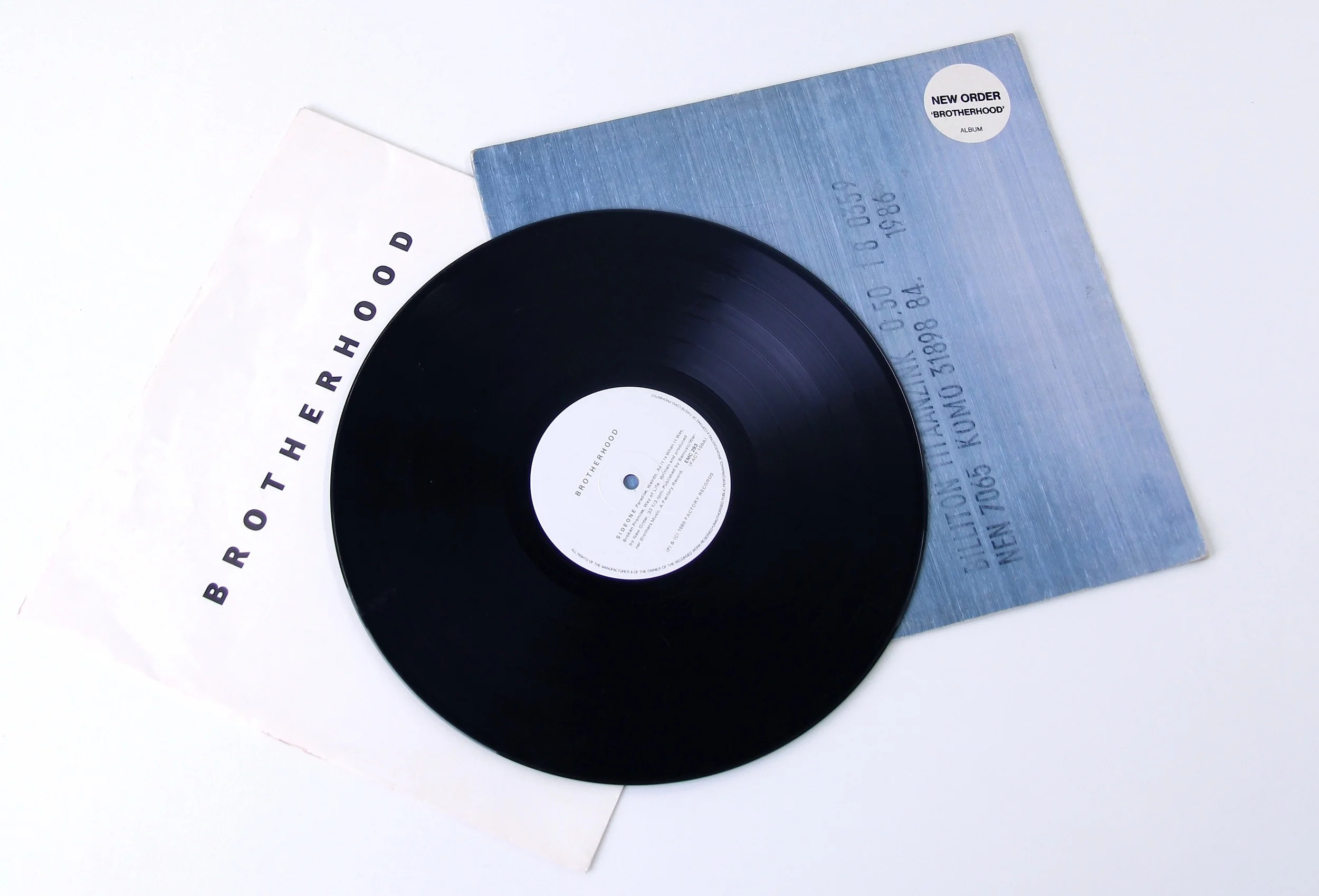
This mixcloud widget profiles documentaries from my 2011 series “Xfm 25″ – a look back at landmark albums from 1986.
Xfm 25′s Cloudcasts on Mixcloud
____________________________________________________________________________________